
Let’s talk about what’s actually going on.
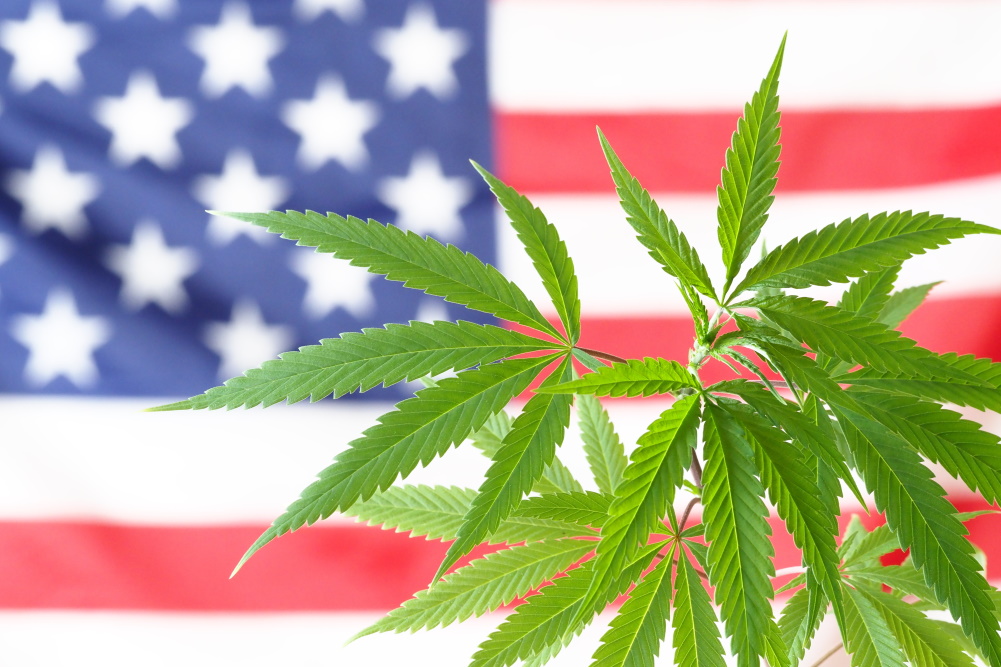
Congress added language targeting intoxicating hemp-derived products like Delta-8, hemp flower, hemp-derived Delta-9, and more. Let’s talk about what that means for you.
Family… whew. Every time I think D.C. can’t surprise me anymore, they find a new way to humble me.
With the spending bill that ended the government shutdown, somehow, hemp got caught in the crossfire, and I’ve been getting messages all week from people asking if the sky is falling.
Lawmakers tucked in a provision that goes straight at intoxicating hemp products—the Delta-8 gummies, hemp-derived Delta-9, seltzers, vapes, and “full-spectrum” goodies that have been able to slide through the 0.3% loophole from the 2018 Farm Bill.
So let’s take a moment to talk about what actually happened, why it matters, and what I want you to understand from this as a founder, an operator, or someone trying to make sense of this industry.
To be honest, when I first read the language tucked into the bill, I had this flashback to my early Mary & Main days. There were so many moments when a new regulation dropped overnight and I’d be pacing the back office thinking, “Okay… what did they just do? and What are we going to do about it?!”
If you’ve ever worked in cannabis, hemp, CBD, or even adjacent to this space, then you know that feeling.
If you’ve ever worked in cannabis, hemp, CBD, or even adjacent to this space, then you know that feeling.
It’s something we’ve all learned to deal with while policy reshapes itself every other Tuesday.
Here’s the simple version of what’s in the bill:
Congress added language targeting intoxicating hemp-derived products that you typically find at liquor stores, smoke shops, and gas stations.
The new definition basically says: after one year, products with more than a tiny amount of total THC or other intoxicating cannabinoids will no longer qualify as legal hemp, even if they meet the old 0.3% by dry-weight rule.
That one-year delay is intentional.
Lawmakers are buying themselves time to craft a follow-up bill or regulatory framework that could allow some kind of controlled, regulated access instead of ripping an entire sector out by the roots overnight.
Industry estimates say the intoxicating hemp-derived cannabinoid market grew over 1,200% from 2020 to 2023, reaching around $2.8 billion in sales, so they’re messing with a major revenue stream.
And before we go any further: this does not affect state-licensed cannabis programs.
Your medical or adult-use license is regulated by the state, not the Farm Bill (so yes, you can still pull up to Mary & Main! You’re good, boo. Come on home.).
What’s shifting is specifically the hemp side:
the online sellers, the out-of-state shippers, the gas-station gummies, the beverages at your corner store, the intoxicating products living in that grey area between “legal hemp” and “regulated cannabis.”
Now, to be fair, there are real public-health concerns that gave this crackdown political momentum.
The FDA has reported more than a hundred reports tied to Delta-8 products in just a little over a year and warned that many of these items “have not been evaluated or approved… and may be marketed in ways that put public health at risk,” especially for kids.
At the same time, this isn’t just about safety. There’s power and money involved (per usual!).
Congress claims they’re “closing loopholes” in an unregulated intoxicating market. Senator Mitch McConnell has been a leading voice pushing to close what he calls the “THC loophole,” and the only loud pushback came from Senator Rand Paul, who warned that this could destroy an entire industry and devastate farmers.
And if you listen to the streets, the theories are flying: Big Pharma, Big Alcohol, maybe even Big Cannabis, depending on who you ask, could all benefit from tightening this lane.
So that’s the tension: yes, there are legitimate safety issues with unregulated intoxicating hemp products, and yes, this is also a massive economic and political tug-of-war.
But here’s the part I want you to hold onto: nothing disappears tomorrow.
No shelves will be cleared tonight. You have one full year, and within that year, you’re going to see a wave of advocacy, lobbying, coalition-building, and, hopefully, industry alignment around how hemp can stay accessible, safe, and regulated.
Some folks are already drawing parallels between this kind of crackdown and alcohol prohibition, warning it could just drive products into more dangerous, unregulated channels instead of solving the actual problem.
And here’s my reflection, not as Hope-the-founder, but Hope-the-woman-who’s-lived-through-nearly-every-chapter-of-modern-cannabis-policy:
Moments like this remind me why we need community.
This is why Legal & Licensed exists. This is why we can’t build alone.
Policy will always be unpredictable, but community support can be dependable. Sharing information, seeking support, and asking questions out loud are how we avoid being blindsided and avoid making fear-based decisions in isolation.
Share information, seek support, ask questions out loud, and stop pretending you’re the only one figuring it out.
I’ve been that entrepreneur who felt like she had to keep everything to herself, like if I admitted I didn’t understand the latest regulation, someone would question whether I deserved to be in the room. But every time I opened up to other operators, advocates, accountants, and lawyers, I avoided bigger losses, and I made better choices.
So yes, this bill is real.
Yes, it’s messy.
And yes, it’s going to reshape parts of the hemp economy as we know it, but you are not powerless here.
This is the time to call your representatives and share your story.
Legislators are hearing from lobbyists and trade groups every day; they also need to hear from you—the founders, the patients, the farmers, the small brands who will feel this the most.